
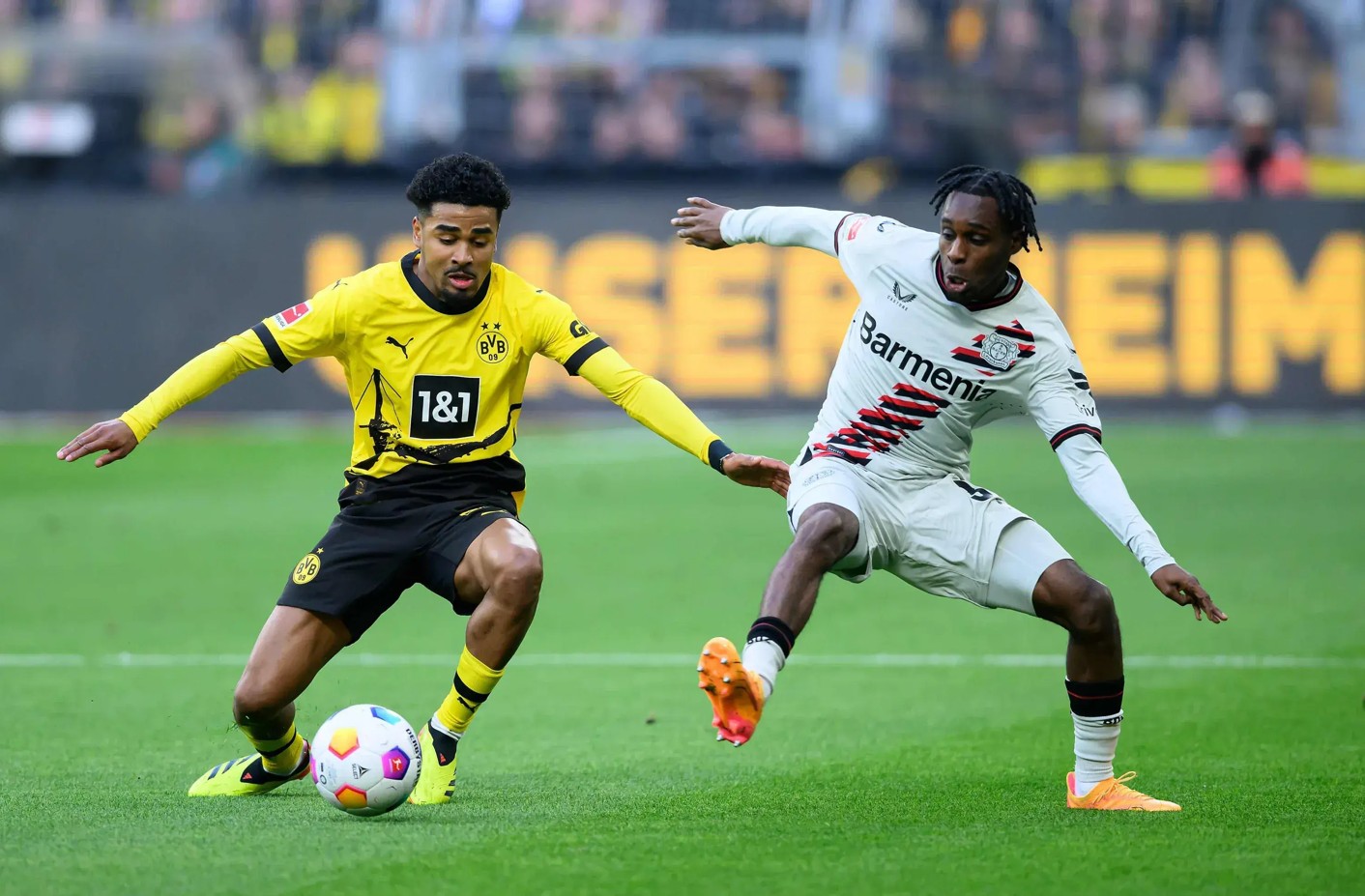
Some Bundesliga teams are predictable flat-track bullies, repeatedly taking care of mid-table opponents even when they struggle in bigger fixtures. Understanding which clubs fit this profile, and why, helps bettors see beyond headline results and evaluate whether current odds properly reflect performance against the league’s “middle class.”
Why Focusing on Results Against Mid-Table Teams Makes Sense
Mid-table opponents form the bulk of a typical Bundesliga schedule, so results in these games largely determine whether a team finishes in the title race, European spots, or slides toward mediocrity. Teams that reliably defeat mid-table sides often bank steady points, while those that drop too many of these fixtures lose ground even if they occasionally upset the elite. Because markets frequently price teams using overall form or brand strength, performance against mid-table rivals can reveal hidden strengths or weaknesses that are not obvious from the raw league table alone.
Defining “Mid-Table” in a Bundesliga Context
To evaluate performance against mid-tier opposition, you first need a practical definition of “mid-table.” A common approach is to treat teams between roughly 7th and 12th place as mid-table at season’s end, occasionally extending down to 13th when the table is compressed. This band typically includes clubs that are safe from relegation but short of European contention, often marked by balanced goal differences and points-per-game close to the league average.
Analysts sometimes refine this by looking at rolling form tables and points-per-game against opponents in the 7–12 band over multiple seasons, which smooths noise from one-off campaigns and unusual injuries. That rolling view helps pinpoint teams whose tactical identity is built on dismantling average sides, as opposed to those whose results rely more on variance in tight or high-profile matches.
Which Bundesliga Teams Typically Dominate Mid-Table Rivals?
Recent standings and form tables show Bayern München continuing to separate themselves at the top, with points-per-game numbers that imply strong returns both against top contenders and against the mid-table cluster. Historical trends indicate that Bayern commonly collect two points per game or more across the full schedule, so it is reasonable to infer that their record against sides finishing between 7th and 12th is consistently strong, often featuring multi-goal wins and positive shot differentials. Borussia Dortmund and RB Leipzig also tend to post robust records versus mid-table teams, though with more variability; form tables and shot stats usually place them among the top three or four for both points and attempts in this segment of the table.
At a tier just below the perennial favourites, clubs such as Hoffenheim and Stuttgart often profile as efficient mid-table beaters during strong seasons. Their form tables show periods with 2.0+ points per game, underpinned by high shot volumes and positive goal differences, even if they are less reliable against the very top sides. This pattern—good at dispatching mid-ranked opponents, less consistent against elite pressing or high-possession teams—can create specific windows of betting value depending on who they face.
Table: Likely “Flat-Track” Profiles Against Mid-Table Opposition
Before translating these ideas into betting decisions, it helps to summarise how different types of Bundesliga teams tend to fare when facing mid-table clubs. The table below generalises patterns derived from recent standings, form tables and shot statistics, grouping teams into performance profiles rather than treating each season as an isolated case.
| Team / profile type | Typical results vs mid-table (inferred from points and shots) | Impact on betting decisions in these fixtures |
| Bayern München (title favourite) | High win rate, often 2+ points per game, strong goal difference and shot dominance. | Often justifies heavy favourite status; handicaps and team-goal overs can still hold value if markets focus too much on recent noise. |
| Borussia Dortmund (top-four mainstay) | Generally strong but more streaky, occasional away lapses against compact mid-table sides. | Priced as clear favourite; value may emerge backing goals rather than match outcome when defence wobbles. |
| RB Leipzig (high-press contender) | Good points returns, especially at home, with high shot counts versus mid-table opponents. | Overs and “both teams to score” can be justified when they leave space in transition. |
| Hoffenheim / Stuttgart (upper mid-table) | Strong spells where they beat peers consistently yet remain underpriced compared with big brands. | Spots for value on home wins or small handicaps when facing teams 7–12 in table. |
| Solid mid-table regulars | Mixed results, often close to 1.3–1.5 points per game vs their band. | Markets often correct; edges more likely in total goals or props than in 1X2. |
This structure highlights that the notion of “good against mid-table sides” is not limited to one club but describes repeatable behavioural clusters. Some teams convert superiority into routine wins and comfortable scorelines, while others dominate shots yet leave the door open defensively, which suggests different ways to exploit the same basic tendency.
Why Some Teams Excel Specifically Against Mid-Table Opposition
Team identity and tactical flexibility heavily influence whether a club thrives against mid-table opponents. Sides with superior technical quality and structured possession attacks, such as Bayern or Leipzig, regularly pin average teams deep, where differences in first touch, movement and set-piece execution become magnified over 90 minutes. In those matches, mid-table sides often struggle to sustain transitions, meaning the favourite can generate repeated waves of pressure, resulting in above-average shot counts and a high probability of eventually converting chances into goals.
Another driver is squad depth. Top clubs carry substitutes who would start for many mid-table teams, allowing them to maintain intensity late in games where weaker squads fade physically. This depth advantage means that even if mid-table opposition stays competitive for an hour, fresh attackers and flexible tactical tweaks can tilt the final 20–30 minutes strongly in favour of the stronger side, boosting late goals and comeback wins that reinforce their good record in this matchup band.
Conditional Scenarios: When the Advantage Grows or Shrinks
Mid-table matchups are particularly sensitive to context. When an elite or upper-tier side hosts a mid-table opponent during a period of good form, with few injuries and no looming European distraction, indicators such as recent points-per-game and shot dominance tend to translate cleanly into strong performance. Conversely, the same team visiting an organised mid-table side amid fixture congestion, rotation or off-field noise can see its traditional edge diminish as energy and focus drop.
Weather and pitch conditions can also compress the gap between teams. Heavy pitches or adverse conditions reduce the impact of technical superiority and favour compact defensive setups that mid-table sides often use against stronger opponents. In those contexts, the pattern of dominance against mid-table clubs may still hold over the season but fail to materialise in a specific match, reminding bettors that structural edges must always be filtered through situational constraints.
Data-Driven Betting: Reading Form Against the Middle of the Table
From a data-driven betting perspective, focusing on form against mid-table teams is a way to move beyond simplistic narratives about “big clubs always winning.” Professional betting guides emphasise tracking not just overall form but performance segmented by opponent strength, because a side that racks up points against relegation candidates may look strong in the table while remaining unconvincing when faced with more balanced mid-table squads. By isolating results and underlying metrics—shots, xG, and goal difference—against teams in positions 7–12, bettors can judge whether a favourite’s short price is justified or inflated by soft fixtures.
Rolling form tables help here. Evaluating the last 5–10 games specifically against mid-table possessions shows which teams maintain stable performance and which rely on hot streaks. If an upper-tier club shows a long-run pattern of earning around two points per game and positive xG against this band, but a recent blip leads to slightly longer odds, the discrepancy between structural strength and market perception can point to value.
Connecting Mid-Table Matchup Insights With a Betting Interface
When turning these analytical patterns into practical staking, the choice of operational environment affects how quickly a bettor can act on identified edges. Suppose your research shows that an upper-tier Bundesliga team historically averages over 1.8 points per game and a strong goal difference against mid-table opposition, especially at home, and current team news confirms a largely intact starting XI. Under these conditions, you may want to examine full-time result lines, Asian handicaps and team-goal markets in one place, comparing how each market prices the same underlying advantage and identifying where odds lag behind your assessment of matchup strength. Using a structured betting interface provided by ufa168 can support this process, because it allows you to monitor multiple Bundesliga fixtures simultaneously, track how prices react to news or early match flow, and decide whether to commit before sharper money closes the gap between historical edge and market probability.
Avoiding “casino online” Thinking When Evaluating Matchups
When bettors treat football results as inherently random, they often ignore the role of repeatable patterns such as performance segmented by opponent type.
Research on betting strategy emphasises that long-term edges come from understanding team dynamics, schedule context and matchups, not from chasing streaks in isolation. Viewing Bundesliga fixtures through the same lens as a casino online experience encourages emotional reactions to short-term runs—overreacting to a single upset or rout—rather than measured interpretation of how a team consistently fares against mid-table sides across many games. A more disciplined approach treats each result as one data point within a broader pattern, allowing performance against mid-table opponents to sharpen expectations without being distorted by the randomness inherent in individual matches.
Failure Cases: When Strong Mid-Table Records Mislead Bettors
Even robust data on performance against mid-table clubs can become misleading when underlying conditions change. Key injuries, tactical overhauls or managerial changes can disrupt well-established patterns, turning a previously reliable flat-track bully into a more fragile side that no longer converts superiority into routine wins. If models or mental shortcuts do not adjust quickly enough, bettors may overestimate the relevance of past dominance and back short-priced favourites that are no longer operating at the same level.
Another common failure case arises when mid-table clubs themselves evolve. Financial data shows that several mid-table Bundesliga teams have improved their revenue bases, squad quality and coaching setups in recent years, gradually closing the gap to the traditional elite. As these sides become more competitive, historical records of comfortable wins may not translate into future games; betting strategies must therefore account for trajectory and squad investment, not just historical averages, when judging how “easy” a mid-table opponent really is.
Summary
Examining how Bundesliga teams perform specifically against mid-table opponents reveals which clubs are true flat-track specialists and which rely on more volatile results. Evidence from standings, form tables and shot metrics indicates that Bayern München, Dortmund, Leipzig and periodically Hoffenheim or Stuttgart often post strong returns against the 7–12 band, though context—injuries, congestion, tactical change—can strengthen or weaken that edge. For data-driven bettors, segmenting performance by opponent tier and integrating it with news and market movement offers a more grounded way to find value than treating all fixtures, or all favourites, as equally reliable propositions.

Samuel Reed is a devoted Christian writer with 4 years of experience sharing Bible verses, blessings, and prayers on Beginingrace.com. His writings reflect faith, hope, and the peaceful message of God’s grace for every heart