
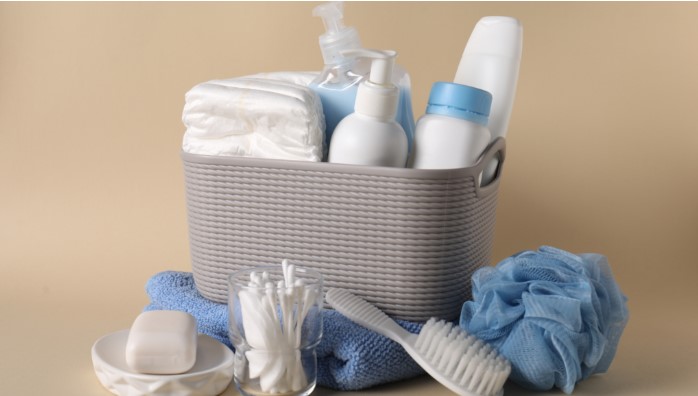
Bringing a baby home hits differently than anything else you’ll ever experience. One minute you’re celebrating, the next, you’re standing in a store aisle with seventeen types of bottle brushes staring back at you. Overwhelming doesn’t quite cover it.
The sheer volume of baby items available today means you’re constantly navigating conflicting reviews, aggressive marketing, and products that look essential but rarely earn their shelf space. Here’s something worth repeating: BPA-free, phthalate-free, and formaldehyde-free aren’t just marketing buzzwords. They represent measurable differences in what your baby is exposed to daily. Organic cotton, natural rubber, and sustainably sourced wood have become standard in quality cribs, teethers, and bath products, and for good reason. This guide strips all of that back.
What you’ll find here is a grounded, practical framework built around safety, smart spending, and the gear that actually pulls its weight.
The Baby Items That Genuinely Earn Their Place
Safety knowledge is only useful when it shapes what lands in your home. Here’s where that framework meets the real world.
Everyday Essentials Worth Prioritizing
The best baby items for parents are the ones that solve actual problems without introducing new ones. For sleep, current CPSC-compliant cribs with firm, flat mattresses remain the standard, steer well clear of anything with inclined sleep surfaces. For feeding, BPA-free bottles, five-point harness high chairs, and silicone spoons without sharp edges are practical, proven choices.
Bath time carries its own hazards, which is why smart baby items like non-slip bath seats with temperature-sensitive indicators address two risks simultaneously. Likewise, baby monitors with encrypted connections are essential baby items that give you peace of mind without exposing your household to privacy vulnerabilities.
Practical Gear That Actually Simplifies Your Day
Practical baby gear should reduce friction, not add to it. Lightweight strollers with one-hand fold mechanisms, infant car seats featuring load-leg technology, and ergonomic carriers that distribute weight across both hips and shoulders are the kinds of investments that pay dividends every single day.
Multi-compartment diaper bags that convert to backpacks have effectively replaced the oversized tote. Convertible cribs that transition from bassinet to full-size bed delay replacement costs significantly. The pattern here is simple: versatility and longevity over novelty.
What’s Worth Watching in Modern Baby Gear
For families who appreciate technology-driven solutions, smart wearables now track sleep cycles and oxygen levels in real time. UV sterilizers sanitize bottles in under ten minutes. Portable bottle warmers designed for in-car use get surprisingly strong marks from parents who actually use them.
Subscription-based eco-diaper services are also gaining traction, delivering plant-based, fragrance-free options on a predictable schedule while protecting sensitive skin. Worth exploring if store runs feel like a recurring headache.
What You Need to Know Before Buying Anything
Smart purchasing decisions start long before checkout. Understanding what separates a genuinely safe product from a clever-looking risk is the kind of knowledge that compounds over time, and it starts with certifications.
The Safety Certifications That Actually Mean Something
Certification marks aren’t decoration. They signal that an independent body evaluated the product against established standards. Look specifically for JPMA, ASTM International, and CPSIA compliance; these cover everything from structural durability to chemical content limits.
Be wary of labels that say “safety tested” without naming a certifying organization. If you can’t trace the certification to a recognizable consumer safety registry, that’s your cue to walk away. Vague language on safety packaging is rarely accidental.
Why Materials Deserve Your Attention
GOTS-certified textiles and OEKO-TEX-certified fabrics hold manufacturers to stricter chemical standards than conventional alternatives. Yes, these options typically cost more upfront. But the peace of mind they offer is genuinely hard to put a price on.
Building a Recall-Checking Habit
In 2023, over 134 million consumer product units were recalled in the US, averaging more than 400,000 units per recall. Read that again. That number should make recall checking a standing item on your parenting to-do list.
Register every major product you buy; manufacturers are legally required to contact registered owners directly. Both Health Canada’s recall database and the U.S. CPSC website offer email alert subscriptions. Set them up once. Done.
Baby Safety Practices That Work Alongside Your Gear
Products are only part of the equation. Your environment matters just as much.
Babyproofing That Actually Sticks
Following Health Canada’s awareness campaign on household hazards, poisoning incidents dropped by 39%, proof that targeted safety education produces real outcomes.
Anchor heavy furniture, dressers, bookshelves, anything tall, to the walls immediately. Cover outlets, secure cabinet latches, and install pressure-mounted gates at stair openings. For open floor plans or balconied spaces, retractable mesh barriers handle the job without requiring permanent fixtures.
Knowing When Products Need Replacing
Car seats expire. Typically, six to ten years, and they should never be reused following a vehicle collision, even if the damage appears cosmetic. Crib mattresses showing indentation or moisture damage should be replaced without hesitation. Always follow manufacturer cleaning guidelines; heat and harsh chemicals can silently compromise safety features in ways you won’t notice until it matters.
Getting Every Caregiver on the Same Page
Print a one-page safety checklist, sleep position, feeding procedures, and emergency contacts for anyone caring for your baby in your home. Apps like Cozi or Baby Connect allow multiple caregivers to log feeding times, nap schedules, and health notes in a shared space.
Consistency across caregivers dramatically reduces accident risk. This matters especially when grandparents or occasional sitters haven’t kept pace with current safety guidance.
Matching Your Gear to How You Actually Live
The best baby gear for your family depends entirely on your daily context, not what looked impressive in a YouTube unboxing video.
City Life vs. Suburban Life, Different Priorities
Urban parents generally need compact strollers that fold one-handed and fit comfortably in elevator corners. A lightweight frame stroller paired with a compatible infant car seat is almost universally the right city combination.
Suburban families often benefit from all-terrain strollers with larger wheels and greater storage capacity. Rugged gear with UV canopies suits longer outdoor stretches, parks, hiking trails, or sprawling backyard mornings, far better than anything designed for city sidewalks.
Building a Safe Nursery on a Realistic Budget
Spend full price on non-negotiables: car seats, cribs, and baby monitors should always come new. Secondhand clothing, toys, and nursing pillows are generally fine. Avoid secondhand car seats, pre-2011 cribs, and any soft sleep product with an unclear origin history.
Minimalism, honestly, is your best financial strategy here. A reliable swaddle blanket, a quality sound machine, and an adjustable nursing pillow will outlast ten single-use gadgets that felt essential in the store and gather dust everywhere else.
Where to Keep Learning
The landscape of baby product safety moves constantly. Knowing where to find reliable information is its own form of preparation.
Communities and experts worth following: CPSC official channels, Lucie’s List, Baby Gear Lab, Reddit’s r/beyondthebump, and BabyCenter’s forums all offer substantive, low-commercial-noise perspectives.
Apps that earn their place: The CPSC Recalls app delivers push notifications the moment a relevant product is flagged. Solid Starts handles safe feeding guidance. Consumer Reports’ baby section remains one of the most rigorous free resources available.
Frequently Asked Questions
Which brands consistently produce safe baby products?
UPPAbaby, Chicco, Graco, and Babybjorn maintain strong records, but always verify the current recall status regardless of brand.
Are eco-friendly products worth the cost?
For items with prolonged skin or mouth contact, such as teethers, bedding, and clothing, yes. For stroller frames and similar items, standard certified products are typically sufficient.
How do I spot counterfeit baby items online?
Check seller ratings, verify the manufacturer lists the retailer as authorized, and treat prices dramatically below retail as a consistent warning sign.
How often should key products be replaced?
Car seats every six to ten years or after any collision. Crib mattresses when compression or moisture appears. Breast pump parts every few months.
Where This All Leaves You
Choosing baby products wisely doesn’t require a specialist background; it requires asking better questions and trusting verified sources over polished packaging. The principles here, certifications, materials, recalls, lifestyle fit, caregiver coordination, form a framework you’ll return to repeatedly. Baby gear will keep evolving. Safety standards will keep shifting.
The most practical thing you can do as a parent is stay curious, stay informed, and recognize that every intentional choice you make today genuinely protects the people who matter most tomorrow. You’ve got this.

Samuel Reed is a devoted Christian writer with 4 years of experience sharing Bible verses, blessings, and prayers on Beginingrace.com. His writings reflect faith, hope, and the peaceful message of God’s grace for every heart