
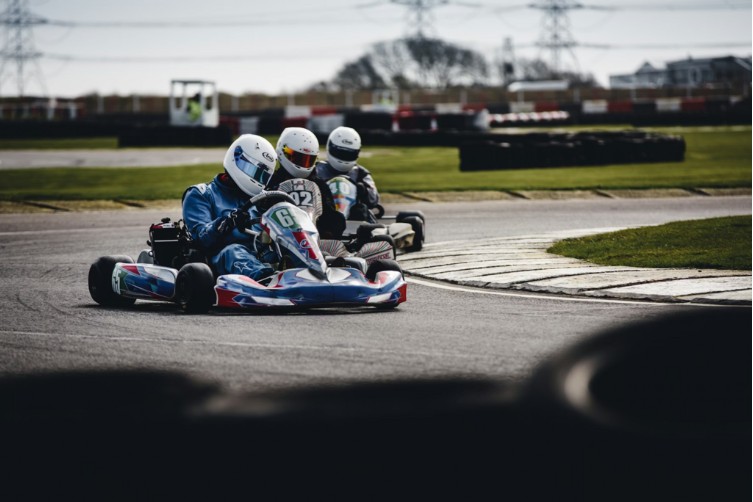
Miami’s motorsport culture has always thrived on contradictions—the roar of engines against ocean breezes, the precision of racing technology in a city known for art and nightlife. Nowhere is this duality more apparent than in the city’s racing stores, where decades-old karting traditions coexist with cutting-edge telemetry systems and composite materials that would have seemed like science fiction a generation ago.
These specialized retailers serve as more than simple storefronts. They function as community hubs where veteran racers share track wisdom with newcomers, where mechanics debate the merits of different chassis setups, and where the sport’s evolution unfolds in real time. The result is an ecosystem that honors motorsport’s past while aggressively pursuing its future.
How Karting Became Part of Miami’s DNA
Karting arrived in South Florida during the sport’s postwar expansion, when enthusiasts began adapting small engines to lightweight frames. What started as weekend tinkering evolved into organized competition, with dedicated tracks emerging throughout the region by the 1970s.
The sport found particularly fertile ground in Miami, where year-round racing weather and a culture that celebrates speed created ideal conditions. Early clubs established at venues like South Florida Karting became training grounds for drivers who would later compete nationally and internationally. These organizations didn’t just host races—they built infrastructure, developed safety standards, and created pathways for talent development that continue to shape the sport today.
Miami’s karting scene now encompasses multiple tracks catering to different disciplines and skill levels. Indoor facilities offer climate-controlled environments for corporate events and casual racing, while outdoor circuits provide the technical challenges that serious competitors demand. This diversity has made the city a destination for karting enthusiasts from across the Americas, with major events drawing hundreds of participants annually.
What Defines a Quality Racing Equipment Store
The specialized nature of motorsport creates unique retail requirements. Unlike general automotive stores, racing equipment retailers must stock products that meet specific sanctioning body regulations while serving customers whose needs range from recreational karting to professional competition.
Miami’s top racing stores distinguish themselves through several key characteristics:
- Technical expertise: Staff who understand chassis geometry, tire compounds, and engine tuning can guide customers toward equipment that matches their skill level and racing goals
- Regulatory knowledge: Different racing series impose varying equipment requirements; quality stores stay current with these specifications
- Product depth: Serious racers need access to multiple brands and configurations, not just whatever a single distributor provides
- Service capabilities: The best stores offer maintenance, repairs, and custom fabrication rather than simply selling off the shelf
According to MotorTrend’s karting guide, choosing appropriate equipment significantly impacts both safety and performance outcomes. This makes the relationship between racer and retailer particularly important—a knowledgeable store becomes a long-term partner in a driver’s development.
Evaluating Miami’s Racing Kart Retailers
With multiple options available, selecting the right store requires consideration beyond simple proximity. The decision affects not just immediate purchases but ongoing support, community connections, and access to expertise.
Key evaluation criteria include:
- Inventory breadth: Does the store stock multiple chassis manufacturers, engine brands, and component options?
- Staff credentials: Have employees competed themselves, or do they simply read spec sheets?
- Community involvement: Stores that sponsor local racers, host tech sessions, or support track events demonstrate genuine investment in the sport
- Service infrastructure: On-site mechanics, dyno testing, and custom setup services separate full-service operations from basic retailers
- Reputation verification: Online reviews matter, but conversations with active racers at local tracks provide more nuanced insights
Local stores also serve as information clearinghouses, connecting customers with track rental opportunities, racing schools, and competitive series. This community function often proves as valuable as the products themselves, particularly for those new to the sport.
The Physical and Mental Demands of Karting
The perception of karting as a casual recreational activity underestimates the sport’s physical requirements. Competitive karting demands sustained muscular engagement, cardiovascular endurance, and mental focus that rivals many traditional athletics.
The physical benefits include:
- Core strength development: Maintaining proper seating position while managing lateral G-forces engages abdominal and back muscles throughout each session
- Upper body conditioning: Steering inputs, particularly on tracks without power assistance, build arm and shoulder strength
- Cardiovascular training: Heart rates during competitive racing frequently reach 150-170 BPM, providing genuine aerobic exercise
- Reaction time improvement: The constant need to process visual information and execute precise inputs sharpens neurological pathways
Research published in the Journal of Sports Science & Medicine demonstrates that motorsport participants show measurable improvements in cognitive function, particularly in areas related to spatial awareness and decision-making under pressure. These benefits extend beyond the track, potentially improving performance in other activities requiring quick judgment and fine motor control.
The mental aspects prove equally demanding. Racers must maintain concentration for extended periods while managing competitive stress, analyzing competitor behavior, and making split-second tactical decisions. This combination of physical and cognitive challenge explains why many participants describe karting as uniquely engaging compared to other recreational activities.
Safety Equipment: Non-Negotiable Fundamentals
The speeds achieved in competitive karting—often exceeding 70 mph in senior classes—make proper safety equipment essential rather than optional. Quality gear serves dual purposes: protecting against injury while enabling the confidence necessary for competitive performance.
Critical safety components include:
- Helmets: Must meet Snell or FIA certification standards appropriate for karting; full-face designs provide superior protection compared to open-face alternatives
- Racing suits: Multi-layer construction provides abrasion resistance and, in higher-end models, fire protection; proper fit prevents bunching that could interfere with kart operation
- Gloves: Thin enough to maintain steering feel while protecting hands during impacts or equipment contact
- Rib protectors: Increasingly common in competitive karting, these devices reduce the risk of rib injuries from lateral impacts
- Neck braces: Help prevent whiplash injuries during collisions or sudden deceleration
Guidance from organizations like K1 RaceGear emphasizes that proper equipment selection requires understanding both sanctioning body requirements and individual fit considerations. A suit that meets technical specifications but restricts movement compromises both safety and performance.
The investment in quality safety gear pays dividends beyond injury prevention. Racers who trust their equipment can focus entirely on driving rather than worrying about potential failures. This psychological benefit often translates directly into improved lap times and competitive results.
Technology Integration in Modern Racing Retail
The past decade has transformed racing equipment from purely mechanical systems into data-driven platforms. Modern karts can generate telemetry on dozens of parameters—engine RPM, wheel speeds, chassis flex, brake pressure, and GPS positioning—providing insights that were previously available only to professional teams.
Miami’s progressive racing stores have adapted by incorporating technology services alongside traditional retail:
- Data analysis support: Helping customers interpret telemetry to identify areas for improvement
- Setup databases: Maintaining records of successful chassis configurations for different tracks and conditions
- Video analysis: Using onboard camera footage to diagnose driving technique issues
- Simulation integration: Connecting customers with racing simulators that allow practice of specific tracks
This technological evolution hasn’t eliminated traditional mechanical expertise—it has augmented it. The most effective racing stores now employ staff who understand both carburetor tuning and CAN bus data protocols, bridging the gap between motorsport’s analog heritage and digital future.
For customers, this means access to performance optimization that was previously available only to well-funded racing teams. A weekend racer can now analyze their driving with the same tools used by professionals, democratizing access to competitive advantages that once required significant financial resources.
Miami’s Unique Position in Motorsport Retail
Geography and culture combine to give Miami’s racing stores distinctive characteristics. The city’s position as a gateway to Latin American markets means many retailers stock parts and equipment popular in international racing series, providing access to products rarely found elsewhere in the United States.
The local racing community’s diversity also influences retail operations. Stores must serve everyone from casual recreational racers to serious competitors preparing for national championships, requiring inventory depth that smaller markets couldn’t support. This variety benefits all customers—even beginners gain access to professional-grade equipment and expertise.
Miami’s racing retailers have also pioneered approaches to customer education, recognizing that informed customers make better purchasing decisions and become more engaged participants in the sport. Many stores now offer regular technical seminars, track day support, and mentorship programs that connect experienced racers with newcomers.
Retailers such as Autocraze reflect this shift by pairing extensive product ranges with technical support that modern racers rely on, positioning themselves as full-service motorsport providers rather than basic parts vendors. Comparable companies like ECS Tuning and Summit Racing Equipment also operate as comprehensive performance hubs, offering both aftermarket components and guidance for building and maintaining competitive racing setups.
The result is an ecosystem where tradition and innovation reinforce rather than contradict each other. Classic racing values—craftsmanship, competition, community—persist even as carbon fiber replaces steel and data analysis supplements driver instinct. Miami’s racing stores serve as the physical manifestation of this balance, spaces where motorsport’s past and future coexist productively.
For anyone serious about karting or racing in South Florida, engaging with these specialized retailers represents more than a commercial transaction. It means joining a community that has spent decades refining the art and science of going fast, and that continues to push the boundaries of what’s possible on four wheels.

Samuel Reed is a devoted Christian writer with 4 years of experience sharing Bible verses, blessings, and prayers on Beginingrace.com. His writings reflect faith, hope, and the peaceful message of God’s grace for every heart