
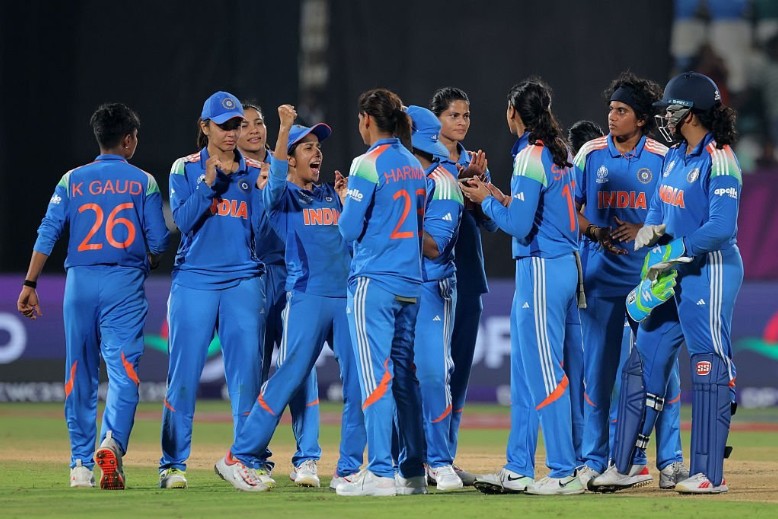
Indian cricket fandom has always been fluent in form. Earlier, that meant remembering who looked settled in a Test spell, who handled spin on a turning pitch, or who kept finding the boundary in domestic cricket. Today, the same instinct lives on a phone screen, shaped by score alerts, short clips, ball-by-ball feeds and post-match graphics.
That mobile layer has changed the way fans interpret the game. A batter’s rhythm can become a 12-second reel, a bowler’s confidence can be reduced to a wicket montage, and tactical debate can begin before the innings is finished. Around that information flow, fans also encounter fantasy platforms, prediction pages and cricket betting apps, which makes it even more important to separate sporting analysis from impulsive reactions.
The better question is not whether mobile cricket coverage is good or bad. It is how Indian fans can use it with more precision. Form is real, but it is rarely simple. It needs context, role clarity and a slower reading than the screen often encourages.
Why mobile access changed cricket observation
India’s cricket conversation now sits inside a vast digital environment. Internet and mobile access have made the match feel present in more places: trains, offices, college corridors, cafes and living rooms where a second screen sits beside the television. The game does not wait for a highlights package anymore.
That immediacy has two effects. It helps fans notice details faster, but it also makes early conclusions easier. A player can be called “out of touch” after one mistimed shot, while a bowler can be declared “back” after one good over against a risky chase.
The strongest fans resist that speed. They use mobile data as a starting point, not a verdict. Form is better read across phases, match situations and opposition quality.
What form really means in modern cricket
Form is not just runs or wickets. In T20 cricket, 28 from 17 balls can be more useful than 45 from 41, depending on the innings stage. In ODIs, a quiet middle-overs spell can be valuable if it controls scoring and sets up wickets later.
A good form reading asks three questions. What was the player’s role? What was the match situation? What did the conditions demand? Without those questions, numbers can mislead.
For example, an opener on a slow surface may take fewer risks in the powerplay because the ball is stopping. A finisher may fail twice because he enters with 18 balls left and no time to settle. A spinner may look expensive because he bowled when batters had to attack.
This is why role matters. A player is not out of form simply because the scorecard looks modest. The correct judgement begins with what the team asked that player to do.
How clips can help and mislead
Short clips are useful because they show body shape, timing and decision-making. A fan can see whether a batter is reaching for the ball, whether a fast bowler is finishing his action strongly, or whether a fielder is moving freely. That visual layer often explains more than a score line.
The problem is selection. Clips usually show the dramatic part: a six, a wicket, a dropped catch or a heated exchange. They rarely show the three overs of pressure before the wicket, or the quiet singles that kept a chase alive.
A balanced fan treats clips like evidence, not the full case. Watch the moment, then check the over, match state and opposition plan. That extra step turns entertainment into analysis.
The main signals Indian fans should track
The mobile-first era gives fans more signals than ever. The challenge is deciding which ones matter. A useful reading separates surface-level numbers from context-rich indicators.
| Signal | What it can show | Common mistake | Better reading habit |
| Strike rate | Scoring tempo and intent | Judging it without innings phase | Compare it with role, pitch and required rate |
| Boundary percentage | Ability to release pressure | Ignoring dot-ball pressure | Check whether singles kept the innings moving |
| Economy rate | Run control by a bowler | Treating all overs equally | Separate powerplay, middle and death overs |
| Dismissal pattern | Technical or tactical weakness | Calling one dismissal a trend | Look for repeated modes across several matches |
| Fielding involvement | Fitness, awareness and confidence | Only noticing catches | Track run-saving, throws and positioning |
These signals work better together. A batter with a high strike rate but repeated early dismissals may still be unstable. A bowler with a high economy rate may have done a difficult job if he bowled mostly at the death.
Why format changes the meaning of form
Indian fans follow cricket across formats, and each format changes the value of a performance. A T20 player may be praised for immediate aggression, while a Test player may be valued for leaving well outside off stump. The same fan must switch lenses.
In T20 cricket, form often means speed of decision. Batters need clarity, bowlers need variation, and captains need quick match-up calls. In ODIs, form includes pacing an innings, absorbing pressure and using the middle overs well.
Test cricket asks for a different patience. A batter can look uncomfortable for an hour and still play a match-shaping innings. A bowler can go wicketless while creating pressure that gives another bowler the reward.
Mobile coverage can flatten these differences because every format becomes a stream of alerts. The careful fan restores the format before judging the player.
How women’s cricket widened the form conversation
Women’s cricket has made Indian fandom broader and more analytical. More viewers now follow players across international matches, domestic events and franchise competitions. That means form discussions are no longer limited to the men’s national team or the IPL.
This shift matters because it adds new reference points. Fans compare batting tempo, spin match-ups, catching quality and finishing roles across more competitions. The result is a deeper cricket vocabulary.
It also reduces the old habit of treating women’s cricket as occasional viewing. When fans track players across seasons, they can identify form with better evidence. Consistent attention creates better analysis.
Legal and responsible context around betting signals
Cricket analysis should not be confused with certainty. This is especially important in India, where gambling and betting law is not uniform across the country and is tied to state-level authority. A fan may understand form well and still be wrong about a match outcome.
Responsible viewing means keeping sporting judgement separate from financial decisions. A player’s recent scores, a pitch report or a toss result can inform conversation, but none of them guarantees what happens next. Cricket contains weather, pressure, selection surprises, injuries and human error.
That uncertainty is part of the game’s appeal. It is also the reason fans should be cautious when any platform turns match signals into confidence without explaining limits.
A practical framework for reading form
A better form reading does not need complex models. It needs a consistent routine. Indian fans can use a simple five-step check before making strong claims about a player.
- Start with role: opener, anchor, finisher, strike bowler, holding bowler or all-round balance.
- Check phase: powerplay, middle overs, death overs, new ball, old ball or pressure chase.
- Look at opposition: quality of attack, match-ups and tactical plan.
- Add conditions: pitch pace, boundary size, dew, weather and venue pattern.
- Wait for repetition: one match is information, several matches can become evidence.
This routine slows the screen down. It helps fans enjoy the speed of mobile coverage without becoming trapped by it. The aim is not to remove emotion from cricket, but to give emotion a stronger base.
Why smarter fandom matters
India’s cricket audience is not short of passion. What has changed is the volume of information around that passion. A fan can now watch live, follow commentary, compare stats, read reactions and share an opinion within seconds.
That access is powerful when used well. It allows more people to understand tactics, follow domestic names and appreciate roles that once went unnoticed. It also makes overreaction easier.
The next stage of Indian cricket fandom should be less about having more data and more about reading it properly. Form is not a headline. It is a pattern, and the best fans know how to let the pattern breathe.

Samuel Reed is a devoted Christian writer with 4 years of experience sharing Bible verses, blessings, and prayers on Beginingrace.com. His writings reflect faith, hope, and the peaceful message of God’s grace for every heart