
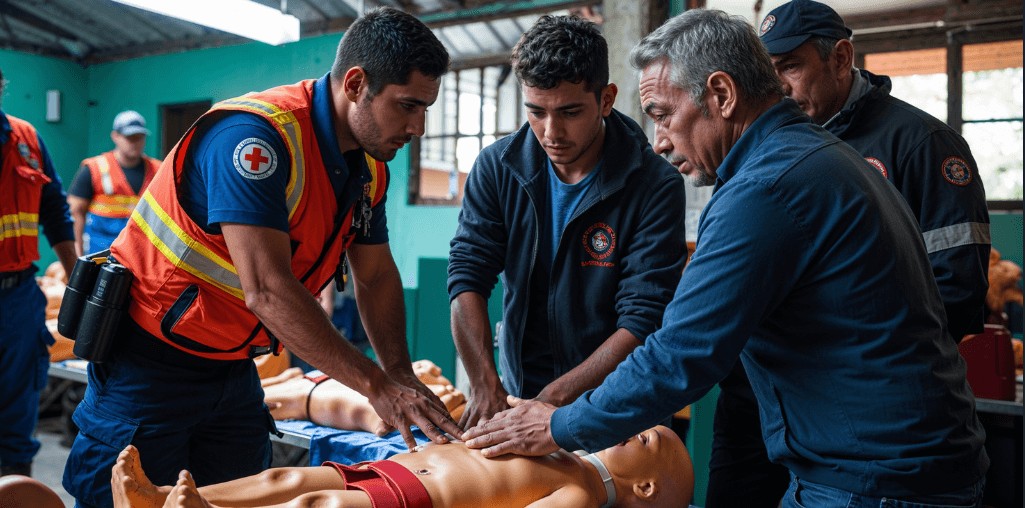
Unexpected medical crises may occur anywhere at home, at work, on the road, or in public areas. The decisions made in the initial few minutes of these situations often have the most influence on the result. Instead of waiting hopelessly for expert medical aid, CPR training gives individuals the knowledge and self-assurance to act right away. People are better equipped to make wise judgments under pressure when they acquire the right skills and practice them often.
Fast Reaction Saves Important Time
Reducing the time between an emergency and the first life-saving action is one of the biggest advantages of CPR training. Every minute without oxygen-rich blood circulation increases the danger of significant consequences, such as respiratory crises and cardiac arrest, which need to be treated immediately.
CPR training Melbourne graduates have hands-on experience in identifying crises, requesting assistance, and accurately administering chest compressions. They can start helping someone while emergency personnel are still in route because to this preparedness.
Developing Self-Belief Via Real-World Experience
Because they are afraid of making errors, many individuals hesitate in emergency situations. This issue is addressed by CPR training, which combines academic knowledge with hands-on activities that mimic actual circumstances.
Participants learn correct hand placement, compression depth, and rescue procedures via repeated practice, which also helps them establish muscle memory. Trained people are more likely to maintain composure and act decisively rather than panic.
Additionally, confidence promotes quicker reactions, avoiding delays that can lower the likelihood of recovery.
Early Identification Of Emergencies
Effective emergency response starts far earlier than CPR. Participants in training learn how to recognise warning signals that point to the need for urgent medical intervention.
These might consist of:
- Abrupt collapse
- Being unresponsive
- Unusual or nonexistent breathing
- Indications of choking
- Diminished awareness
Quickly identifying these indicators enables onlookers to initiate emergency medical services earlier and start the proper treatment right away.
Enhancing Collaboration
Multiple people are often involved in emergencies. Participants in CPR training learn how to delegate tasks and speak coherently in difficult conditions.
For instance, one person may dial 911 while another administers CPR and another, if one is present, obtains an automated external defibrillator. Coordinated efforts guarantee that every second is used efficiently and minimise misunderstanding.
In companies, educational institutions, athletic venues, and community organisations where many individuals may react collectively, teamwork is particularly beneficial.
Encouraging Safer Communities And Workplaces
Businesses are realising more and more how crucial it is to have qualified personnel on hand for emergencies. Workers who are trained in CPR contribute to a safer workplace by acting quickly before trained medical staff can reach.
To expand their emergency response capabilities beyond CPR, many people also enrol in a first aid course Melbourne. Managing bleeding, burns, fractures, allergic reactions, and other medical conditions that call for emergency care are often covered in these courses.
Communities are better equipped to support one another in unforeseen situations as more individuals acquire emergency training.
Maintaining Current Skills Via Continuous Learning
As medical science progresses, emergency response guidelines continue to change. Frequent refresher sessions keep participants up to date on the latest methods and boost their self-confidence.
Important talents might gradually deteriorate if they are not practised. Through practical activities, refresher training offers chances to review processes, fix errors, and reinforce appropriate practices.
Ongoing education guarantees that skilled people are ready for any situation.
Promoting Conscientious Decision-Making
There is more to CPR training than just physical skills. Additionally, participants learn how to properly evaluate circumstances, safeguard themselves from risks, and put everyone’s safety first.
A better coordinated response is produced by knowing when to do CPR, when to utilise an automated external defibrillator, and how to interact with emergency operators. This well-rounded strategy lowers needless risks while raising the quality of support given.
Creating Prospects For Career Advancement
Numerous businesses, including healthcare, childcare, education, fitness, hospitality, construction, and community services, value emergency response abilities. Because these abilities improve workplace safety, employers often favour candidates who have completed accredited CPR and first aid courses.
shows both practical proficiency and a dedication to assisting others in times of need. Maintaining certification via frequent renewals demonstrates a commitment to continuing professional growth.
Conclusion
In order to develop quicker and more efficient emergency responses, CPR training is crucial. It makes it possible for people to swiftly identify crises, maintain composure under duress, provide prompt support, and collaborate well with others until expert assistance comes. These useful abilities boost community resilience and occupational safety in addition to enhancing disaster preparation. People may make a significant impact when every second matters by devoting time to CPR instruction and maintaining such abilities.

Samuel Reed is a devoted Christian writer with 4 years of experience sharing Bible verses, blessings, and prayers on Beginingrace.com. His writings reflect faith, hope, and the peaceful message of God’s grace for every heart