
Cup football and league football share the same squads and managers, but they often run on different priorities, which makes their interaction crucial for anyone betting week to week. In Ligue 1 2021/22, the Coupe de France and European campaigns layered extra fixtures on top of an August–May league schedule, creating periods where rotation, fatigue and psychological swings visibly influenced domestic form in ways that betting markets did not always price accurately.
Why Cup Schedules Can Distort League Performance
A standard Ligue 1 season already requires 38 matches per club, spread from early August to late May in a round‑robin format. When deep cup runs are added on top of that, the total number of high‑intensity games for contenders can climb significantly, compressing rest days and training time between league fixtures. This congestion forces coaches to choose between rotation and fatigue, and whichever path they choose alters league performance: resting key players can reduce short‑term quality, while playing them through dense periods increases injury risk and late‑season drop‑offs, both of which matter for bettors looking for mispriced spots.
How The Coupe De France Structured Extra Load
The Coupe de France’s format for professional clubs means Ligue 1 sides typically enter at the round of 64, immediately adding knockout pressure to the calendar. In 2021/22, Paris Saint‑Germain entered as defending champions but exited in the round of 16 to Nice on penalties, while Nantes went on to beat Nice 1–0 in the final on 7 May. That path meant a club like Nantes, already fighting for league positioning, had to navigate high‑stakes knockout fixtures deep into the spring, precisely when Ligue 1 matches were also decisive, concentrating physical and mental strain into a narrow part of the season that influenced their weekend form.
Case Study: PSG Balancing Ligue 1, Cups And Europe
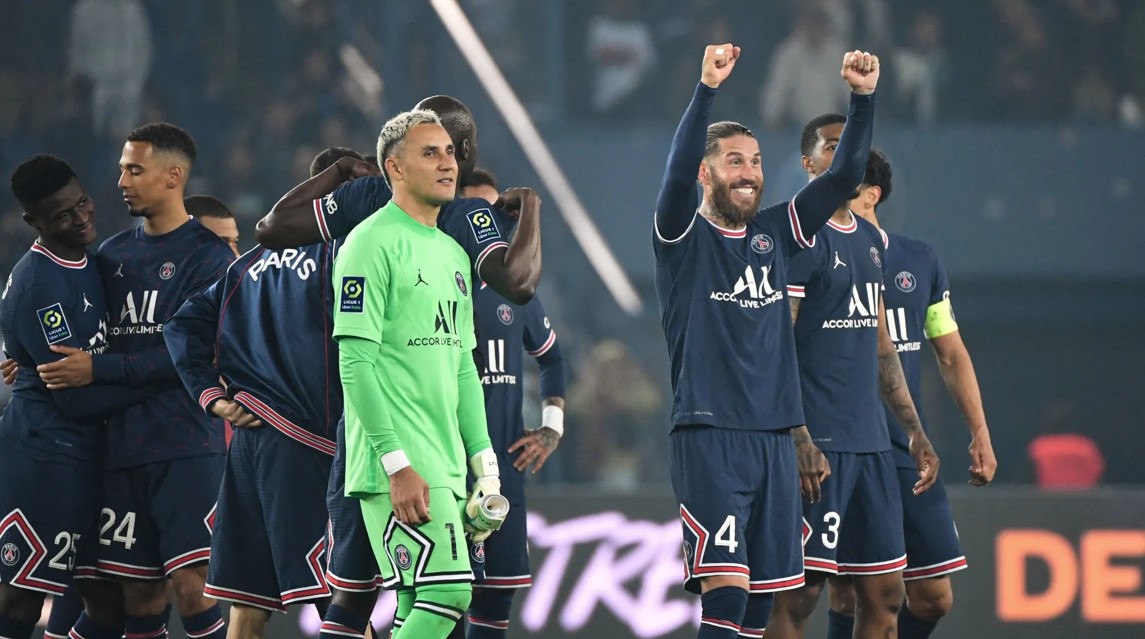
PSG’s 2021/22 campaign illustrates how competing on multiple fronts shapes league results in less obvious ways. While they reclaimed the Ligue 1 title, their season also included Champions League commitments and a Coupe de France defence that ended earlier than expected, with the Nice defeat in the round of 16 removing one competition from their schedule. The combination of big league wins—such as 6–1 at Clermont and 5–0 against Metz—and notable domestic defeats like a 3–0 loss at Monaco shows that even a dominant champion can produce volatile single‑match outcomes when rotation, midweek travel and emotional hangovers from Europe intersect with league fixtures.
Case Study: Nantes And Nice On Deep Cup Runs
Nantes and Nice, who contested the Coupe de France final, provide a different angle on cup impact because they were not title favourites in the league. Reaching a May final required them to allocate tactical focus and squad resources to knockout ties, potentially viewing certain league matches as secondary, especially around quarter‑final and semi‑final dates. For bettors, this re‑prioritisation meant that some Ligue 1 fixtures involving these clubs during the latter stages of the cup could be vulnerable to under‑rotated or over‑rotated line‑ups, translating into value on opponents who were fully focused on the league, or on totals markets if intensity dipped relative to normal league conditions.
Conditional Scenarios: How Cup Context Changed Ligue 1 Bets
Because cup effects are situational rather than constant, they only become useful for betting when framed in explicit scenarios.
- In the weekend immediately after a high‑emotion knockout tie (win or loss), teams often showed signs of mental and physical drop‑off, making them less reliable favourites in Ligue 1 and more vulnerable to underperforming market expectations.
- Ahead of a crucial cup tie, some managers rotated heavily in league games, especially when mid‑table and safe from immediate relegation danger, which sometimes weakened their short‑term league form but offered clues to backing opponents or exploring goal‑related markets.
These patterns highlight that cup impact is not about a permanent “good” or “bad” effect but about timing: the same team might be overvalued one weekend and undervalued the next depending on the cup context.
Using A Table To Map Cup Run Depth Against League Risk
To move from narratives to structured thinking, it helps to classify teams by how far they progressed in cup competitions and how sensitive their league position was at the same time. This kind of overview does not give exact odds but clarifies which clubs were most exposed to cup‑league trade‑offs in 2021/22.
| Team | Cup Outcome (Coupe de France) | League Situation 21/22 | Cup–League Risk Profile For Bettors |
| PSG | Out in Round of 16 vs Nice | Title winners | Heavy schedule early; less cup later season |
| Nantes | Winners vs Nice in final | Mid‑table safety zone | Deep run plus league; rotation trade‑offs |
| Nice | Runners‑up | European‑place battle | Balancing cup final with league objectives |
PSG’s relatively early cup exit reduced late‑season congestion, potentially stabilising some league performances after February, while Nantes and Nice carried dual pressures well into May. For bettors, that meant PSG’s league matches later in the season were less distorted by domestic cup scheduling, whereas mid‑spring fixtures involving Nantes or Nice warranted closer scrutiny of line‑ups and motivational factors before drawing conclusions from raw odds alone.
How Cup Shock Results Rippled Into Ligue 1 Form
It is not only minutes played that matter; emotional shocks from cup results can alter confidence and tactical choices in subsequent league games. PSG’s shock domestic cup exit and European disappointment, for example, coincided with spells where their league focus fluctuated, occasionally resulting in unexpectedly flat performances even though they remained the strongest squad on paper. Conversely, a club like Nantes, buoyed by the possibility and then reality of winning silverware, could channel that momentum into more assertive or resilient Ligue 1 displays, occasionally outperforming pre‑season expectations despite the extra load. For bettors, reading those psychological swings mattered in matches where stat‑based models alone struggled to account for sudden intensity shifts.
Integrating Cup Context Into A Betting Destination Workflow
For someone placing wagers through a multi‑competition wagering destination, the key challenge is to ensure cup information is processed before any individual Ligue 1 odds are accepted. When a midweek knockout tie has just concluded, the disciplined step is to adjust your view of the upcoming league match—considering likely rotation, fatigue, and motivation—before even logging into your account. Then, when you open the interface and see Ligue 1 prices, you are comparing them against a pre‑formed expectation shaped by cup context rather than being guided by the numbers alone, which is especially important during periods like 2021/22 when deep cup runs intersected with tight league races.
Where UFABET Fits In Cup-Aware Match Selection
If you already hold an account with a broad sports betting service that covers both Ligue 1 and domestic cups, the presence of multiple competitions can either sharpen or dilute your edge depending on how you use it. A more structured approach starts with a schedule map of key cup dates—round of 16, quarter‑finals, semi‑finals, final—and marks the surrounding league fixtures as potentially distorted by rotation and emotion. When those flagged games appear on the Ligue 1 coupon within ufabet เว็บหลัก, your first question becomes whether the posted odds reflect that extra context: are mid‑table teams on deep cup runs being priced as if they were fully focused on the league, or are title contenders coming off exhausting European nights still treated as bulletproof favourites? The more consistently you cross‑check this interaction rather than betting every match in isolation, the more your decisions reflect a genuine understanding of how cups reshape league form.
Cup-Driven Variance Inside A Wider Gambling Environment
Cup‑related swings in league performance can encourage bettors to view certain fixtures as opportunities for “big scores,” especially when underdogs gain momentum or giants show fatigue, but that mindset can become risky if blended with a high‑variance gambling environment. In contexts where quick, emotionally charged products dominate, the nuanced insight that a team may underperform in Ligue 1 due to cup fatigue can be overshadowed by a desire for instant gratification, nudging stakes higher or widening selections beyond what the analysis justifies. When cup‑aware Ligue 1 betting is mixed into a broader casino online setting, the practical challenge is to keep the reasoning slow and schedule‑based—anchored in fixture lists and squad rotations—rather than allowing short‑term swings from other games to dictate how aggressively you press edges that are, by nature, subtle and probabilistic.
Summary
In Ligue 1 2021/22, domestic and European cups materially influenced league performance by compressing schedules, demanding rotation and generating emotional highs and lows, especially for clubs like PSG, Nantes and Nice. Deep cup runs overlapped with critical league phases, creating situational windows where favourites became fragile or mid‑table sides reprioritised, and those shifts only became visible to bettors who tracked fixture timing rather than treating matches as independent events. For people betting on Ligue 1, integrating cup context into pre‑match analysis—before confronting the odds—was the key step that turned schedule noise into a potential edge instead of a source of unexplained volatility.

Samuel Reed is a devoted Christian writer with 4 years of experience sharing Bible verses, blessings, and prayers on Beginingrace.com. His writings reflect faith, hope, and the peaceful message of God’s grace for every heart