
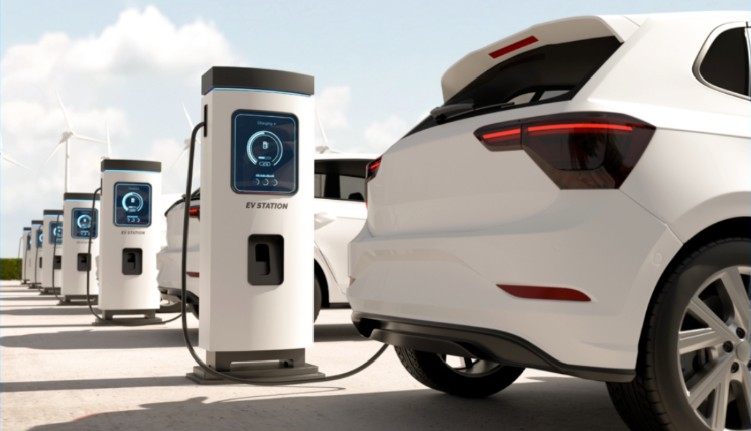
Electric vehicles aren’t approaching from some distant horizon, they’re already parked in driveways, pulling up to stoplights, and quietly rewriting the rules of personal transportation. Whether you commute daily, hit the highway on weekends, or simply cringe every time gas prices spike, this shift is landing right at your doorstep. The benefits of electric vehicles have moved well past theory. Real savings, measurably cleaner air, and a driving experience that genuinely feels different, that’s what today’s EV owners are living.
Game-Changing Benefits That Actually Hit Your Wallet
Switching to electric isn’t just an environmental statement. For most drivers, it becomes a financial no-brainer somewhere around year two or three.
Lifetime Cost Savings, and They’re Significant
Here’s a figure worth sitting with: according to the U.S. Department of the Treasury, EV owners will save $18,000 to $24,000 more than comparable gas vehicle buyers over a vehicle’s lifetime.
That reframes the upfront price completely. When you’re stacking fuel savings against maintenance reductions against total ownership cost, the math shifts in ways most buyers don’t anticipate.
Fewer Moving Parts, Fewer Repair Bills
No oil changes. Regenerative braking extends brake pad life dramatically. No exhaust system quietly corroding beneath your floorboards. EVs are mechanically simpler than gas vehicles, and that simplicity means fewer mechanic visits and more cash staying where it belongs, with you. That’s one reason many drivers are now considering EV Auto Utah as a practical and cost-effective long-term investment
Cleaner Air Where It Actually Matters
Urban air quality improves measurably when tailpipe emissions drop. For families near high-traffic corridors, this isn’t abstract environmental data. It’s a tangible health benefit showing up in their neighborhoods. Sustainable transportation policy is accelerating that shift in cities across the country.
The Drive Itself Feels Different
Ask anyone who’s taken an EV out for the first time. The instant torque, the near-silent cabin, the smooth pull from a dead stop, it genuinely surprises people. Once you’ve experienced it, gas-powered acceleration feels almost dated by comparison.
Smart Mobility: The Technology Rewiring How We Drive
The EV transition isn’t just about the powertrain. The connected ecosystem surrounding these vehicles is equally transformative.
Real-Time Data and Connected Intelligence
Today’s EVs arrive loaded with GPS integration, range prediction tools, live charging network status, and onboard diagnostics that your mechanic used to need a scanner to access. You’re not just driving, you’re operating a connected platform on wheels.
ADAS Features Becoming Standard Expectations
Lane-keeping assist, automatic emergency braking, and adaptive cruise control were premium upgrades five years ago. Now they’re baseline features. EV driving trends increasingly point to semi-autonomous capability as something buyers simply expect, not request.
Vehicle-to-Grid: Your Car as an Energy Asset
This one surprises people. V2G technology lets your EV send stored energy back into the power grid during peak demand periods. Your vehicle isn’t just consuming electricity anymore; it can actively support grid stability. That’s a fundamentally different relationship between car and infrastructure.
AI-Driven Personalization and Predictive Maintenance
Modern EV platforms learn your driving patterns over time. They anticipate maintenance needs before problems surface and adjust performance settings to match your habits. It’s proactive rather than reactive, a meaningful departure from how we’ve always thought about car ownership.
EVs at the Core of Urban Mobility Planning
Sustainable transportation has graduated from a fringe concept to a mainstream city policy. EVs sit right at the center of that shift.
Zero-Emission Zones Reshaping City Access
London, Amsterdam, and Los Angeles are actively restricting gas vehicle access in designated zones. That’s not speculation; it’s current policy. Fleet operators and individual drivers alike are feeling the urgency to transition faster than originally planned.
Electrifying Transit, Rideshare, and Delivery Networks
Amazon, UPS, and municipal transit agencies are committing to large-scale EV fleets right now. Electric buses and delivery vans are replacing legacy vehicles across urban networks at a pace that felt unrealistic just a decade ago.
Micro-EVs Filling the Last-Mile Gap
Electric cargo bikes, compact micro-vehicles, and e-scooters are solving the short-trip problem that full-size EVs don’t address efficiently. For dense urban environments, these options cut emissions without adding congestion, practical, not performative.
EV Trends Reshaping Road Culture and Buyer Behavior
EV driving trends are influencing not just technology adoption, but how people actually shop for, share, and discuss vehicles.
The Pre-Owned EV Market Has Opened Up Considerably
The used ev car segment has expanded dramatically, and that’s genuinely good news for budget-conscious buyers. Variety has increased, prices have become more accessible, and specialized dealerships, like Axio EV in Sandy, Utah, are making it easier to find a pre-owned electric vehicle that matches both your lifestyle and your budget without compromise.
According to JD Power’s 2024 Electric Vehicle Consideration Study, 58% of shoppers say they are ‘overall likely’ to consider purchasing an EV, a slight dip from 61% in 2023, signaling that pricing and buyer education remain critical conversion factors.
Flexible Leasing and Subscription Models Gaining Traction
Not every driver wants long-term ownership. Subscription-based EV access and flexible leasing arrangements let people experience electric mobility without committing to a purchase. Younger drivers especially are gravitating toward this model.
What’s Coming: The Future of EV Innovation
The technology pipeline is genuinely exciting. What’s in development today will make current EVs look like first-generation prototypes.
| Innovation | Current Status | Expected Impact |
| Solid-State Batteries | In development | 2x range, faster charging |
| Vehicle-to-Grid (V2G) | Early deployment | Grid stability support |
| Wireless Charging | Pilot programs | Eliminating cable dependency |
| Over-the-Air Updates | Standard in some EVs | Continuous feature improvements |
| Modular Battery Packs | Emerging | Reduced range anxiety |
Solid-state batteries alone could double range and slash charging times. Paired with renewable energy integration, solar panels feeding your home charger, for instance, the electric vehicles future points toward per-mile emissions approaching zero for many owners.
Practical Steps for Making the Switch With Confidence
Understand Total Cost of Ownership Before Comparing Sticker Prices
Factor in fuel savings, reduced maintenance, federal tax credits (up to $7,500 for new EVs, $4,000 for qualifying used models), and projected resale value. That complete picture almost always looks better than the sticker price alone suggests.
Map Your Charging Infrastructure Before You Commit
Apps like PlugShare and ChargePoint let you visualize Level 2 and DC fast charger availability along your regular routes. And for home charging, 84% of EV owners who charge at home use Level 2 equipment, per JD Power’s 2024 EVX Home Charging Study. A 240V home charger, installed at $500–$1,500, transforms overnight charging into a completely effortless habit.
Evaluating a Pre-Owned EV? Battery Health Is Everything
When shopping for a used ev car, always request detailed battery health reports, verify service history, and confirm remaining warranty coverage before committing. Recent 2025–2026 price drops have made pre-owned EVs exceptionally attractive, but certified inspections remain non-negotiable for protecting that investment.
The Road Ahead Is Electric, Here’s Why That’s Worth Embracing Now
The electric vehicles future isn’t waiting for permission to arrive. It’s already in motion, in driveways, transit fleets, city ordinances, and battery research labs simultaneously. The cost advantages are real. The technology is maturing fast. The infrastructure is expanding steadily.
Whether you’re seriously evaluating a new EV purchase, weighing a pre-owned option, or simply getting informed before making your move, the fundamentals point clearly in one direction. The drivers who engage now, understand the full picture, and make deliberate choices will be the ones best positioned as this transition accelerates. That could be you. Frankly, it should be.

Samuel Reed is a devoted Christian writer with 4 years of experience sharing Bible verses, blessings, and prayers on Beginingrace.com. His writings reflect faith, hope, and the peaceful message of God’s grace for every heart